
July 16, 2026
Are you dreaming about a mountain home in Crystal Park, but wondering what daily life actually looks like once the snow falls and the road turns steep? That is a smart question to ask before you buy. If you are considering this gated mountain community above Manitou Springs, it helps to understand the real tradeoffs, recurring maintenance, and property features that matter most. Let’s dive in.
Crystal Park is not a typical neighborhood. It is a gated membership community with more than 2,000 acres and 360 home sites, and its roads and trails are private and maintained by the association. The community also uses a closed gate system with 24-hour electronic access.
The setting is part of the appeal. The Crystal Park Fire Protection District describes the area as wooded, mountainous terrain ranging from just under 6,700 feet to nearly 9,000 feet, with about 230 homes scattered through the district. That kind of landscape offers space and privacy, but it also shapes how you drive, maintain a home, and plan for weather.
One of the biggest Crystal Park realities is access. The community wildfire protection plan notes that Crystal Park has one way in and one way out, and that some secondary roads are narrower, may be one-way in places, and often have limited turnaround space.
That matters in every season, but especially in winter and during emergency conditions. The same plan says steep slopes are common, including some that exceed 100 percent. In a mountain setting like this, road geometry is not a small detail. It is part of your everyday planning.
The HOA says a full-time roads staff and road-maintenance crew keep paved and unpaved roads open using snowplows and heavy equipment. That is an important benefit for owners. Even so, buyers should assume winter driving, slower deliveries, and occasional access delays are part of life here rather than unusual exceptions.
Manitou Springs' 2023 hazard mitigation plan says the average first snowfall in the area arrives in mid-September and the average final snowfall occurs in late June. Because Crystal Park sits at a higher elevation than Manitou Springs, that should be viewed as a useful baseline for planning.
In Crystal Park, a home that works well in winter is about more than looks. Comfort, durability, and maintenance all depend on how the house handles cold, snow, wind, and moisture.
The U.S. Department of Energy recommends sealing eaves in cold climates to help reduce ice dams. It also points to strong air sealing, insulation, and attic ventilation as key parts of cold-weather performance.
Roof water management matters too. Flashing at valleys and roof-wall intersections, along with properly sized gutters and downspouts that move water away from the foundation, can make a major difference in a mountain environment.
Windows and heating systems deserve close attention as well. DOE guidance for cold climates favors windows with low U-factor, low air leakage, and high condensation resistance. It also notes that cold-climate heat pumps can operate at temperatures as low as 5 degrees Fahrenheit, while dual-fuel systems are another option to consider.
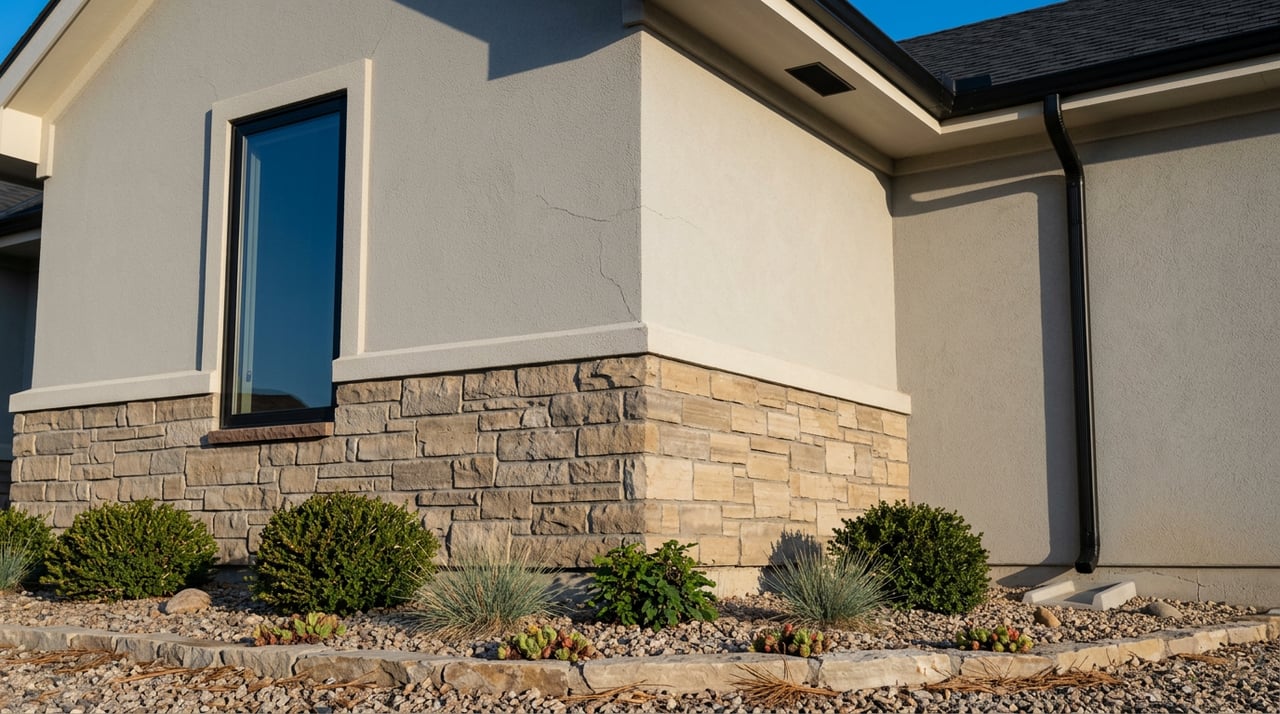
Mountain homes go through repeated snow, sun, and moisture cycles. That means exterior materials are not just a style choice. They affect upkeep, aging, and long-term performance.
DOE cold-climate best practices highlight durable, lower-maintenance products such as fiber-cement siding, composite decking, and stained cedar railings. In a setting like Crystal Park, those types of materials generally hold up better than softer, higher-maintenance finishes.
Crystal Park’s governing documents also shape what you can do outside. Exterior work requires Architectural Review Committee approval, and structures must conform to local building codes and standards. The bylaws also call for earth-tone colors and natural or synthetic materials, so buyers should expect design decisions to fit community standards.
Crystal Park is described by the local fire district as a wildland intermix community. That means wildfire planning is not optional background information. It is a central part of ownership.
Colorado State University says wildfire resilience starts with structural hardening and a Home Ignition Zone that extends from 0 to 100 feet from the home. Near the structure, low-flammability plants are preferred, and CSU notes that the 5-foot section of fence closest to the house should ideally be noncombustible.
CSU also makes an important point for buyers: there are no truly fireproof plants. Defensible space is not a one-time improvement. It is an ongoing maintenance job that includes clearing accumulated debris and dead material within 30 feet of structures.
Neighboring properties also affect risk. In mountain communities, wildfire resilience works best when owners think beyond just the house itself and pay attention to the immediate surroundings.
If you are used to lower-elevation neighborhoods, mountain landscaping often comes with a learning curve. Colorado State University says Colorado fall and winter often bring dry air, low precipitation, little soil moisture, and fluctuating temperatures. Exposed plants can be more vulnerable to freeze-thaw damage.
That is why winter watering matters during prolonged dry periods. CSU also recommends mulch to help conserve moisture.
Another important reality is that mountain lots can behave very differently from one another. Slope, shade, and sun exposure can create different microclimates even at similar elevations, so two Crystal Park homes may need different drainage, snow management, and planting strategies.
In Crystal Park, recurring maintenance is part of the lifestyle. A realistic budget should include more than the usual homeownership basics.
For many properties, practical ongoing tasks include:
These items are especially relevant because of the combination of cold-weather roof demands, mountain drainage patterns, and wildfire mitigation needs. If you are comparing a Crystal Park property to a more conventional in-town home, this is one of the biggest ownership differences to understand early.
If you plan to update or personalize a mountain home, be sure to factor HOA review into your timeline. Crystal Park’s documents require ARC approval for exterior work, and the HOA’s request process points owners toward coordination with the Park Manager or Architectural and Site Committee for larger projects.
That can include projects such as:
The ARC form also asks for construction material type and notes a 100-foot separation from adjacent dwellings, wells, and septics. For buyers, that means renovation ideas should be evaluated not just for cost, but also for feasibility within community rules.
When you tour a Crystal Park home, it helps to look past the view for a few minutes and focus on performance details. In this setting, the right features can make ownership smoother and more predictable.
Pay special attention to the roof edges, flashing, gutters, and downspouts. You also want to see how drainage moves water away from the foundation, whether decks appear sound and well-maintained, and how the property is handling defensible space near the home.
Inside, ask yourself whether the home feels ready for long winters. Insulation, air sealing, cold-climate heating strategy, and window performance can have a real effect on comfort and utility costs.
Crystal Park offers a mountain lifestyle that many buyers love, but it works best when you go in with clear expectations. This is a private, higher-elevation community with steep roads, seasonal weather demands, wildfire considerations, and HOA oversight that directly affects how you maintain and improve a property.
If that lifestyle fits what you want, the next step is not to avoid the details. It is to lean into them. A well-informed purchase can help you choose a home that matches both your goals and the day-to-day realities of mountain ownership.
When you want practical guidance on buying or selling in the Colorado Springs area, including homes with unique condition and maintenance considerations, connect with Gary Kirkpatrick.
Stay up to date on the latest real estate trends.
Gary and his team focus on his commitment to providing their clients with first class, 5 star service, before, during and after the transaction.
Please feel free to reach out to us anytime if you have any questions regarding real estate or homeownership.
KIRKPATRICK ASSOCIATES, LLC
Broker Associate / REALTOR®
(719) 982-2800
Broker Associate / REALTOR®
(779) 245-2964
Operations Manager
(719) 822-4171
1915 Democracy Point
Colorado Springs, CO 80908