
March 24, 2026
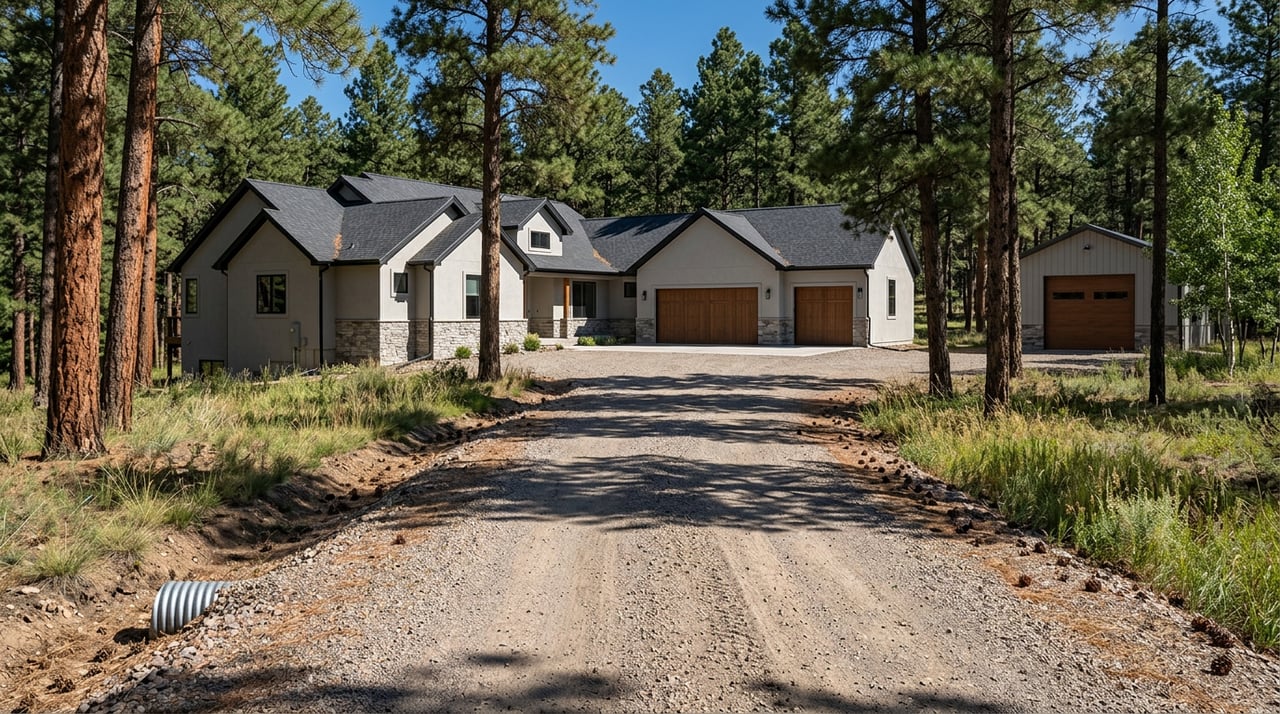
Picture tall pines, privacy, and enough space for horses or a workshop. That is the promise of Black Forest acreage. The reality is that every parcel is unique, and the details matter. In this guide, you will learn how to verify zoning, water and septic, access, utilities, wildfire and insurance, and the exact due diligence steps to protect your purchase. Let’s dive in.
Most acreage in unincorporated Black Forest follows rural residential zoning with minimums of 5 acres (RR-5) or 2.5 acres (RR-2.5). In specific section-line situations, minimums can vary slightly, so always verify the parcel’s zoning and recorded plat details with County Planning and the Land Development Code. You will also see a range of allowed rural uses that fit the area’s character.
Expect custom single-family homes, ranch-style houses, barns and corrals, and larger outbuildings or shops. Some older cabins and manufactured homes are still present. Many properties rely on a private well and an onsite wastewater system instead of city water or sewer, which makes careful inspections essential.
Buyers choose Black Forest for trees, breathing room, and quick access to regional parks and trail networks. If you value horseback riding, hiking, or peaceful outdoor time, the setting is a strong fit.
Most parcels use private wells. Before you write an offer, find the property’s well permit and well construction log and verify permitted uses, aquifer, static water level, and pump depth. Use the state’s well-permit search and map viewer to locate records and confirm that the well serving the home matches the permit on file. If records are incomplete or the well is older, plan for testing and potential repairs.
In a real estate transaction, buyers commonly test for coliform/E. coli and nitrates and may add metals, hardness, or PFAS based on lender or personal concerns. El Paso County Public Health provides sampling kits, instructions, and a testing schedule so you can time results with your inspection deadlines.
If the home is not on central sewer, the onsite wastewater treatment system will be reviewed at sale. The county regulates OWTS design, permits, and inspections and aligns with Colorado’s Regulation 43. On lots with challenging soils or slopes, an engineered system may be required, which can increase cost and maintenance needs.
Many Black Forest roads are gravel and maintained by El Paso County on multiweek grading cycles. Conditions vary by weather and season. Confirm whether your address is county maintained, where it lands in plow priorities, and how that aligns with your daily commute and winter needs.
Some properties rely on private roads or recorded easements. Verify legal access, who pays for road maintenance and snow removal, and whether emergency vehicles can reach the home. Your title work and recorded documents will outline these details.
Electric service is often provided by a regional cooperative, and natural gas lines are not universal, so many owners use propane. Ask about line-extension fees before you assume a simple hookup. Internet can range from fiber in pockets to fixed wireless or satellite. If you work from home, ask the seller for their internet provider, typical speeds, and reliability, then confirm availability with providers at the exact address.
Black Forest experienced a major wildfire in June 2013, with reported home losses in the mid 400s. This event shaped current expectations around defensible space, construction choices, and ongoing mitigation.
The Black Forest Fire Rescue District offers mitigation guidance, on-site consultations, and information for builders. Connect early to learn about defensible space, any cistern or access standards for new builds, and how mitigation affects safety and insurability.
Insurance availability and pricing have been changing across Colorado, especially in wildfire-prone areas. Get quotes early in your inspection period, ask how risk scoring works, and document any home-hardening or mitigation steps. The Colorado Division of Insurance provides consumer guidance to help you navigate policy options and carrier requirements.
Many Black Forest subdivisions carry recorded covenants, conditions, and restrictions. These can set standards for animals, fencing, accessory buildings, short-term rentals, or exterior changes. Request the CC&Rs, any HOA bylaws, ARC rules, and recent budgets or meeting minutes during your contract period. Your agent and title company will help source and review these documents from the county records.
If you want help coordinating these steps, we can run point on vendors, schedule inspections, and keep your deadlines on track so you can focus on the big decisions.
Ready to walk acreage and build a plan tailored to your goals? Reach out to Gary Kirkpatrick for a focused strategy, on-the-ground insight, and white-glove coordination from search to close.
Stay up to date on the latest real estate trends.


Gary and his team focus on his commitment to providing their clients with first class, 5 star service, before, during and after the transaction.
Please feel free to reach out to us anytime if you have any questions regarding real estate or homeownership.

KIRKPATRICK ASSOCIATES, LLC
Broker Associate / REALTOR®
(719) 982-2800
Broker Associate / REALTOR®
(779) 245-2964
Operations Manager
(719) 822-4171
1915 Democracy Point
Colorado Springs, CO 80908