Torn between a low-maintenance downtown condo and the charm of a historic bungalow in Colorado Springs? You’re not alone. Each path offers a different mix of monthly costs, care, and resale potential, especially close to Tejon Street, Acacia Park, and the Old North End. In this guide, you’ll learn how the numbers and upkeep really compare, what to inspect, how financing can differ, and what tends to help on resale. Let’s dive in.
Downtown snapshot: options and context
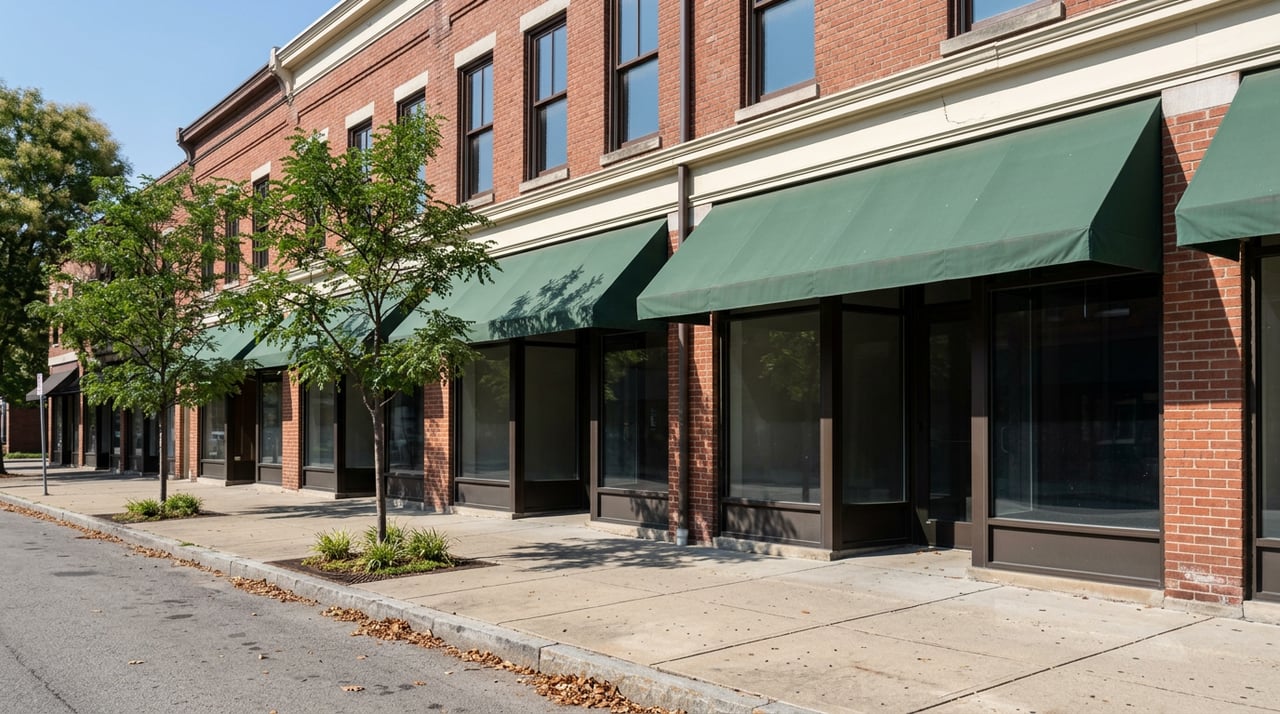
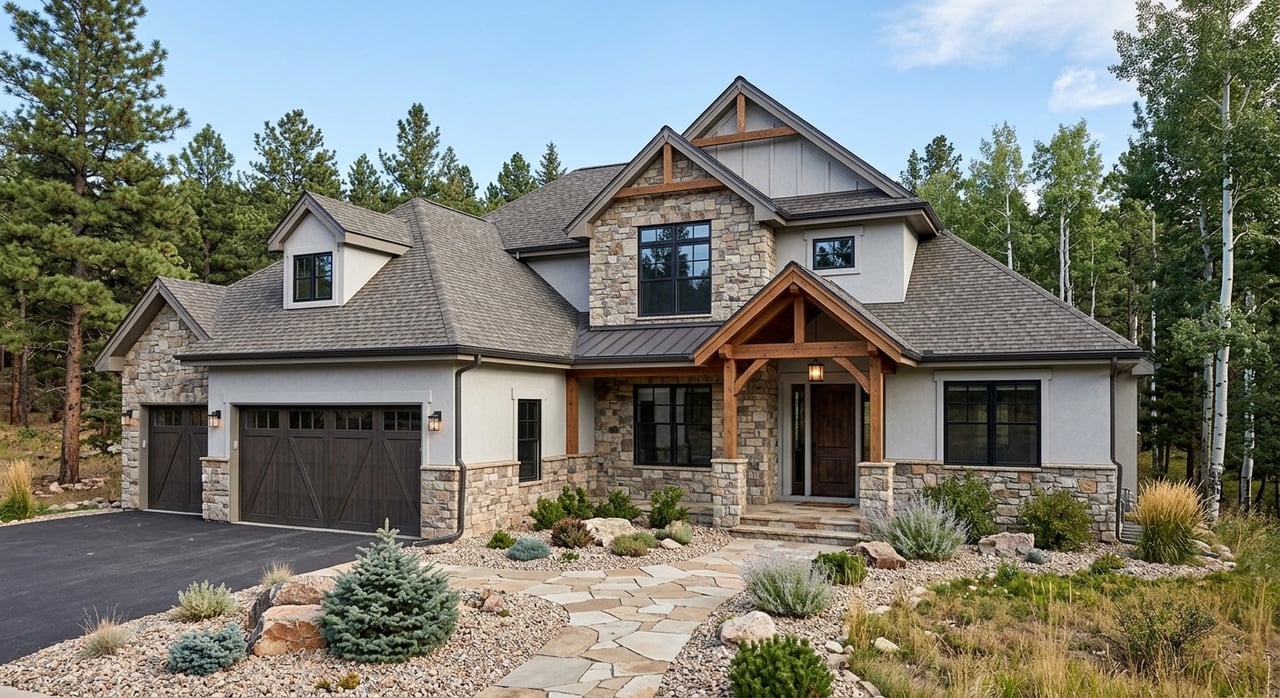
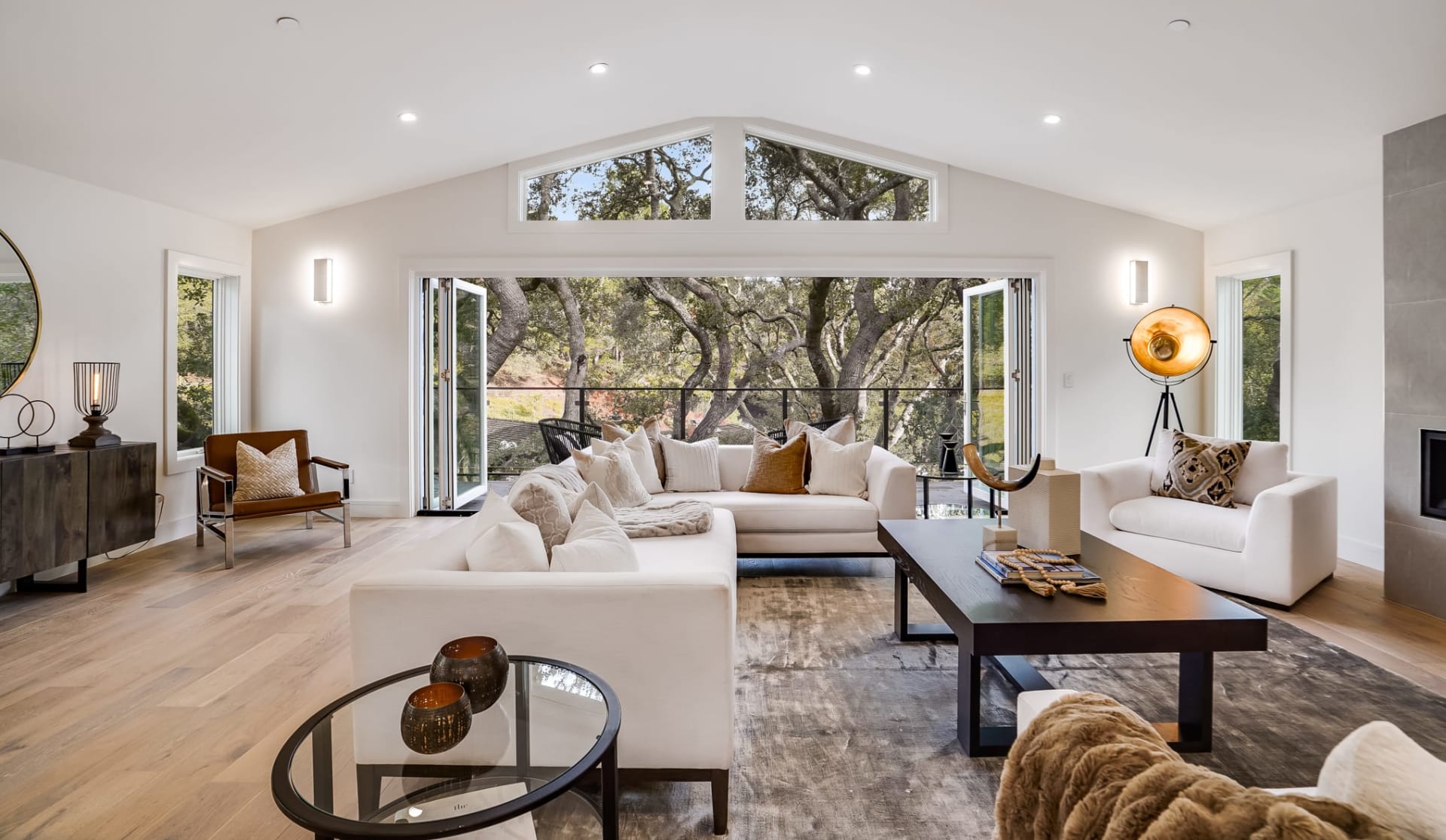
Living in or near Downtown Colorado Springs puts you close to jobs, restaurants, events, and transit. You’ll see a mix of low- to mid-rise condos and lofts, including some converted warehouses and newer infill, plus early 20th-century bungalows and cottages in nearby enclaves like the Old North End, Quality Hill, and the West Colorado Avenue corridors. Walkability is a draw, and private outdoor space is typically smaller than in outlying neighborhoods.
Many bungalows sit within or near historic preservation overlays. If a home is in a designated district or subject to local historic review, exterior changes can require approvals. That affects how you plan projects and timelines. Downtown single-family homes are scarce, which can influence per-square-foot pricing compared with farther-out areas.
Monthly costs: how they stack up
Mortgage, taxes, utilities
Your mortgage depends on purchase price, down payment, and loan terms. For condos, be aware that some loan programs require the overall building to meet specific eligibility standards. Property taxes in both cases come from assessed value and mill levies in El Paso County. You can review parcel-level data with the county assessor.
Utilities vary. In condos, some utilities, such as water, trash, and sometimes gas, electric, or central heat, may be included in HOA dues. Always confirm what’s covered. In a bungalow, you handle all utilities for the entire property, including irrigation if you have a yard.
Insurance basics
- Condos: You’ll typically carry an HO-6 policy for your unit’s interior and personal property. The association insures the building’s common elements. Ask whether the master policy is “walls-in” or more comprehensive, and note the deductible.
- Bungalows: You’ll typically carry an HO-3 or similar dwelling policy that covers the entire structure, contents, and liability. Premiums are often higher than a condo’s HO-6 because the insurer covers the whole building.
HOA dues and assessments
Condo or loft buildings charge monthly or quarterly dues that fund common area maintenance, building insurance, management, snow removal, landscaping, and reserves. Dues vary widely by building age, amenities, and scope of services. Evaluate what’s included.
Before you make an offer, request key documents:
- Current annual budget and the most recent reserve study or reserve balance.
- Meeting minutes from the last 12 to 24 months to spot recurring repairs or discussions of big projects.
- Details on recent or planned special assessments.
- The master insurance policy and deductible.
Maintenance and care: what to expect
Condos: what’s covered vs. what’s yours
One of the biggest benefits of a condo is time savings. The HOA typically handles exterior elements, the roof, structural components, and common spaces. Your responsibilities are usually the interior of your unit and any limited common elements such as a balcony. Ask about snow removal standards, pest control, and parking operations.
Bungalows: whole-home stewardship
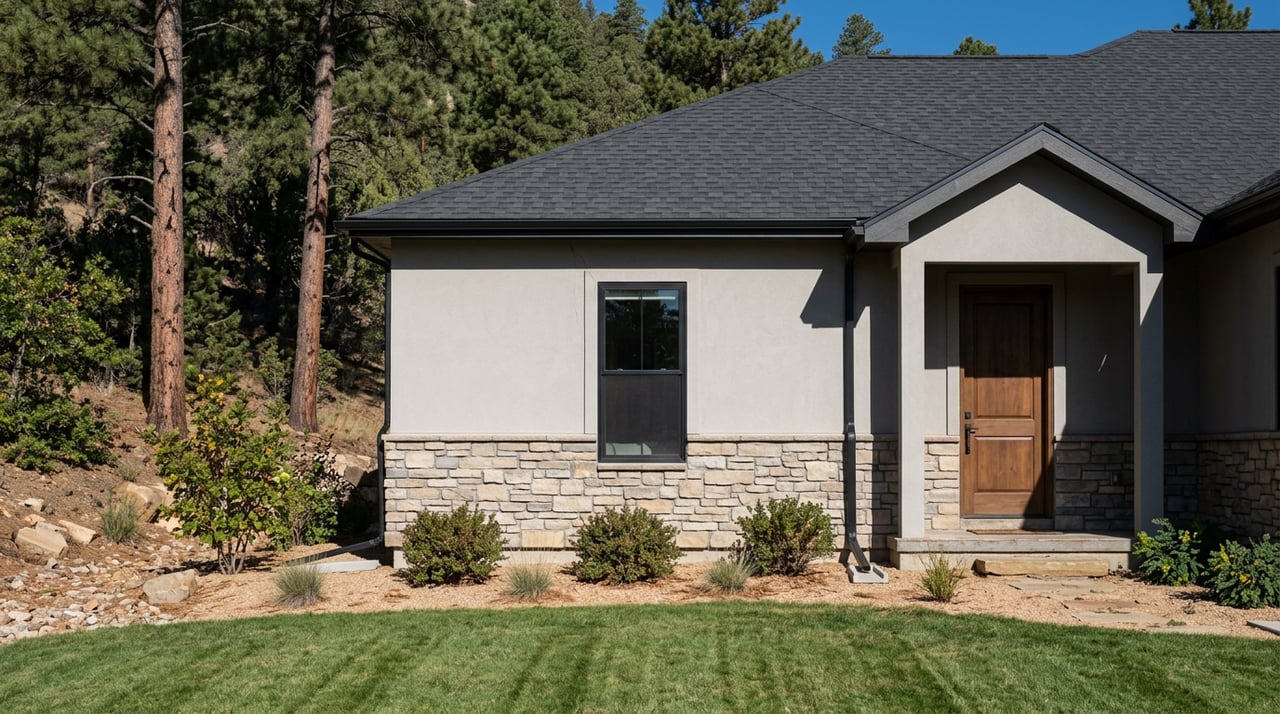
With a single-family bungalow, you handle everything from roof to foundation, plus yard and tree care, snow removal, and ongoing systems maintenance. Many early 20th-century homes have unique character features and older systems. If the home is in a historic district, exterior work can require review or approval, which adds planning and potential permit time.
Typical surprise costs
- Historic bungalows: Large outlays can include roof replacement, HVAC updates, sewer lateral replacement, and foundation or drainage work. Homes built before 1978 require a federal lead-based paint disclosure, and older properties can contain asbestos in some materials. Radon testing is also common across Colorado and mitigation may be needed.
- Condos: When big-ticket items like roofs, boilers, or exterior envelopes need work and reserves are not sufficient, HOAs may levy special assessments. Review reserve funding and recent capital project history to understand the risk.
Inspections and due diligence
Condo and loft checklist
- Building envelope: Roof age, masonry or siding condition, balcony safety, windows, and waterproofing details.
- Common systems: Elevators, central HVAC or boilers, fire suppression and alarms, plumbing risers, and stormwater systems.
- Finances and reserves: When were roof or exterior projects last completed? What’s the planned lifecycle and reserve level for major items?
- Insurance exposure: Master policy limits, deductible, and how loss assessments are handled.
- Unit interior: Standard inspections for HVAC, electrical, plumbing, moisture, and pests.
- Operations: Snow removal, trash service, pest control schedule, parking assignment or deeded spaces, security and access systems.
- Documents to request: HOA budget, reserve study or balance, meeting minutes for 12 to 24 months, master insurance, CC&Rs, bylaws, rules, and a record of assessments in the past five years.
- Questions to ask: Are there rental or short-term rental limits? Any pending litigation or special assessments? What percentage of units are owner-occupied?
Historic bungalow checklist
- Structure and roof: Foundation settlement, uneven floors, cracks, crawl space moisture, chimney and flashing, roof age and condition.
- Electrical: Presence of knob-and-tube wiring, fuse boxes, or undersized service panels. Many older homes need upgraded capacity.
- Plumbing and sewer: Galvanized or lead piping, or other aging materials; camera scope of the sewer lateral is wise in older neighborhoods.
- HVAC and insulation: Age and adequacy of systems, duct condition, and insulation levels.
- Windows and envelope: Single-pane windows and air sealing needs. Balance energy upgrades with historic standards if applicable.
- Environmental concerns: Lead-based paint rules for pre-1978 homes; potential asbestos in older materials. Renovation can trigger federal work rules.
- Site and drainage: Lot grading, downspouts, and tree roots that can impact foundations or sewer lines.
- Historic compliance: Confirm whether exterior materials, porch work, or window changes need review.
Financing and insurability
Condos and lender rules
Lenders often evaluate the whole project for eligibility. Factors can include owner-occupancy ratios, the share of commercial space, budget strength and reserves, and any litigation. Some government-backed loans require project approval or specific criteria. Buildings with high delinquencies or inadequate reserves can be harder or more expensive to finance.
Bungalows and condition
Single-family homes typically avoid project approval requirements, but serious condition issues can impact lending. It pays to get pre-qualified early and have your lender review your plan if you’re weighing both condos and bungalows.
Resale value: what tends to matter
Who buys what downtown
- Condos and lofts: Often attract first-time buyers, professionals, downsizers, and some investors who value walkability and low maintenance. Amenities, on-site parking, and security can be strong draws.
- Historic bungalows: Appeal to buyers seeking a single-family experience with a yard, garage, and architectural character, including those who want to customize or add space.
Value drivers and risks
- Condos: Building upkeep and sound finances help values. Parking and amenities boost appeal. Liquidity can be lower in associations with poor management or heavy investor ownership.
- Bungalows: Scarcity near the core, a yard, garage, and tasteful, code-compliant updates can command a premium. Deferred maintenance, structural or drainage problems, and highly personalized interiors can drag on value. Historic rules can enhance cachet but may limit exterior changes.
Tips to maximize resale
- For condos: Highlight the association’s health, parking or storage benefits, and any major capital projects recently completed. Clarify which utilities are included and how services like snow removal are handled.
- For bungalows: Prioritize visible mechanical upgrades and moisture control. Keep historical character intact while modernizing kitchens, baths, and systems in a code-compliant way. Stage porches and yards to show urban livability.
Lifestyle fit: quick decision guide
Choose a downtown condo if you want:
- Low-maintenance living with exterior and common-area care included.
- Proximity to restaurants, events, and transit with smaller private outdoor spaces.
- A simpler utility setup where some services may be included in dues.
- Building amenities like on-site parking, security, or fitness rooms.
Choose a historic bungalow if you want:
- A single-family experience with a yard, garage, and room to personalize.
- Architectural character and the potential to add square footage.
- Full control of maintenance and design choices, with awareness of any historic review.
- A hands-on approach to systems, insulation, and long-term upgrades.
Next steps and local resources
Your due diligence will pay off. For condos, dig into association documents, reserves, and building systems before you write an offer. For bungalows, focus inspections on structure, roof, electrical, plumbing, HVAC, sewer, and site drainage, and plan for possible lead paint or radon mitigation. To verify taxes, review parcel records through the El Paso County Assessor. For historic rules or design review, refer to the City of Colorado Springs Historic Preservation program. For HOA governance and consumer resources, consult the Colorado Division of Real Estate and reputable industry organizations.
If you want a second set of eyes on repair risks, value drivers, and neighborhood nuances, we’re here to help. With design/build backgrounds and a hands-on approach to staging and vendor coordination, we can help you see around corners and buy with confidence downtown.
Ready to compare specific buildings or bungalows near the core and map your budget to real options? Reach out to Gary Kirkpatrick for a local game plan tailored to your goals.
FAQs
Monthly maintenance costs in downtown Colorado Springs: condo vs. bungalow
- Condos can reduce owner maintenance time and may include some utilities in HOA dues, while bungalows have no HOA dues but you cover all maintenance and yard care.
Long-term investment potential: downtown condo or historic bungalow
- There is no single winner. Condo values hinge on building health and demand, while bungalows near downtown can benefit from scarcity and expansion potential but require active maintenance.
Financing differences when buying a downtown condo
- Condos can be harder to finance because lenders evaluate the project’s occupancy, reserves, and any litigation. Check project eligibility with your lender early.
Key inspections for an older downtown bungalow
- Order a full home inspection plus targeted checks for foundation, electrical capacity, plumbing materials, sewer lateral, HVAC, potential radon, and lead-based paint concerns.
How HOA special assessments work in condo buildings
- If reserves fall short for major repairs, an HOA may levy a one-time special assessment shared by owners. Review budgets, reserve studies, and minutes to gauge the likelihood.