
December 18, 2025
Are you wondering why two Monument homes with the same square footage can be priced so differently? In Monument, micro-markets shift value based on lot size, home type, views, and how close you are to I‑25 and the U.S. Air Force Academy. If you understand those levers, you can shop smarter and price with confidence. In this guide, you’ll learn how each Monument micro-market works, what lot sizes and home types to expect, how views influence price, and what commute factors mean for demand and resale. Let’s dive in.
Monument sits on the Palmer Divide just north of Colorado Springs. Rolling terrain, foothill vistas, and a mix of town and county parcels create distinct sub-areas. Each one has different lot patterns, utilities, and buyer demand. Those differences show up in price per square foot and time on market.
Here’s a quick side-by-side overview to frame your search.
| Micro-market | Typical lot sizes | Common home types | Key tradeoffs |
|---|---|---|---|
| Old Town / Downtown Monument | About 4,000–12,000 sq ft | Older cottages, bungalows, ranches, some townhomes | Walkability vs. smaller yards and older systems |
| Master-planned subdivisions (Jackson Creek and similar) | About 6,000–12,000 sq ft; larger executive lots in pockets | Modern single-family, ranch and two-story, some patio/townhomes | HOA amenities and newer infrastructure vs. closer spacing |
| Golf course / country-club and large-lot enclaves | About 0.25–1+ acres; some 1–5+ acres | Custom and higher-end homes, many with walkout basements | Privacy and views vs. higher price point and HOA rules |
| Rural acreage / Black Forest fringe | About 1–35+ acres (many 1–10 acres) | Custom rural, horse properties, some manufactured | Space and independence vs. well/septic and wildfire considerations |
| Infill near I‑25 interchanges | Varies; roughly 0.12–0.3 acres or attached | Single-family and attached homes geared to commuters | Convenience vs. potential roadway noise and traffic |
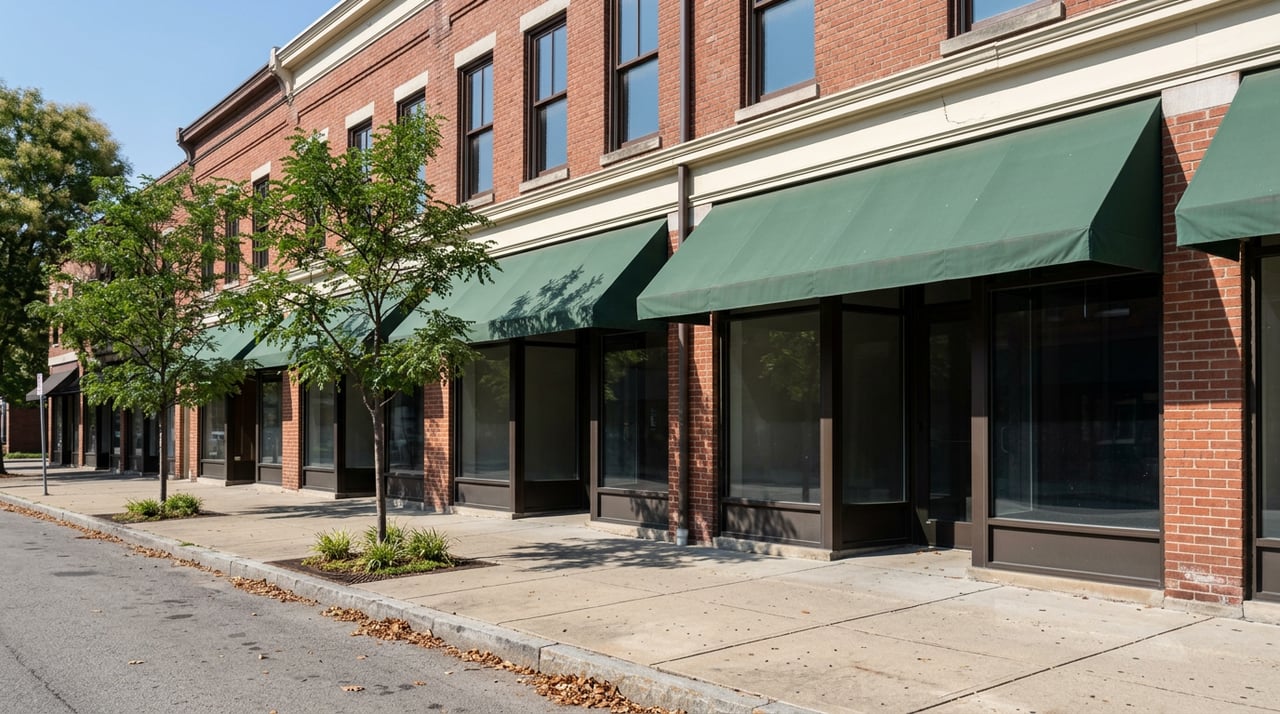
If you want walkable access to restaurants and local shops, Old Town is your starting point. Lots tend to be smaller, roughly 4,000–12,000 square feet. You’ll see older cottages, bungalows, ranches, and some infill townhomes or single-family homes.
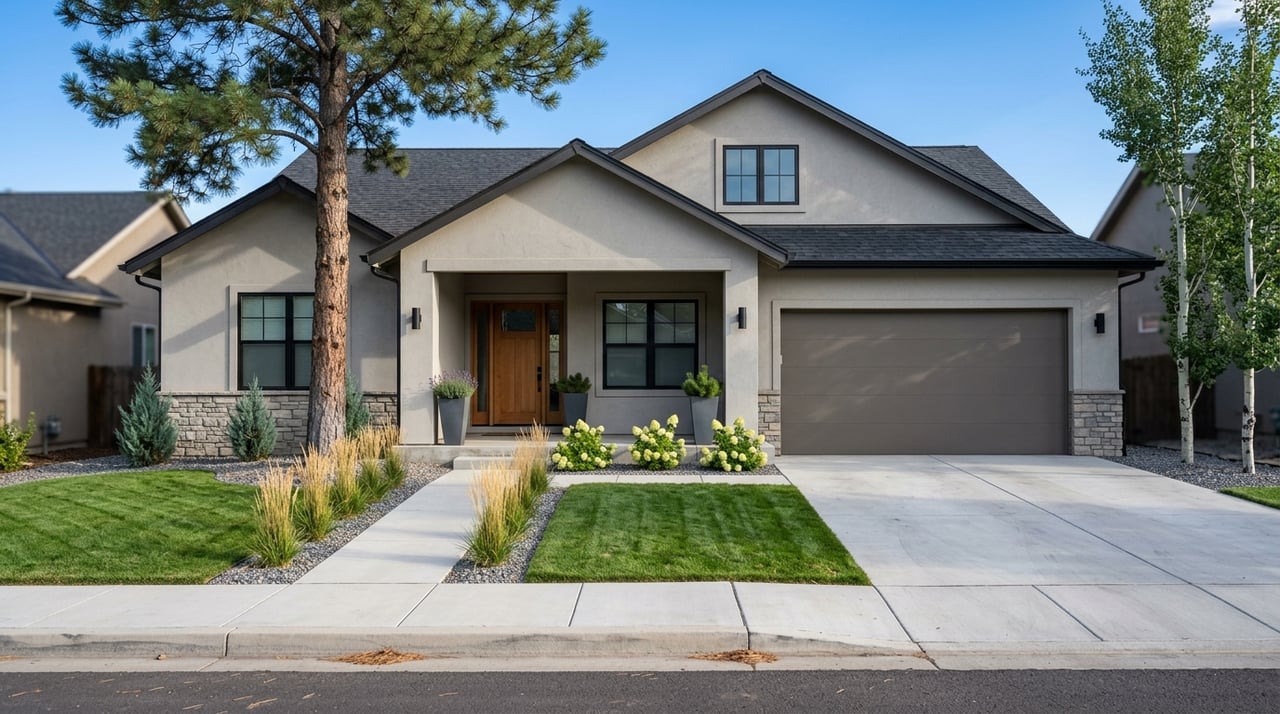
These neighborhoods deliver suburban convenience with HOA amenities. Lots generally fall in the 6,000–12,000 square foot range, with select streets offering larger sites for executive homes. Builders introduced a mix of ranch and two-story plans, plus patio homes and occasional townhome phases.
If privacy and views top your list, this segment is worth a close look. Lots commonly span 0.25–1+ acres, with custom homes on 1–5+ acres in select pockets. Many homes feature walkout basements and higher-end finishes.
Acreage properties deliver space and flexibility. Parcels often run 1–35+ acres, with many ranchettes between 1 and 10 acres. Homes range from custom site-built to horse properties, with a few manufactured homes in the mix.
These areas attract buyers who prioritize quick corridor access. Lot sizes vary, often resembling suburban patterns around 0.12–0.3 acres, plus some attached products.
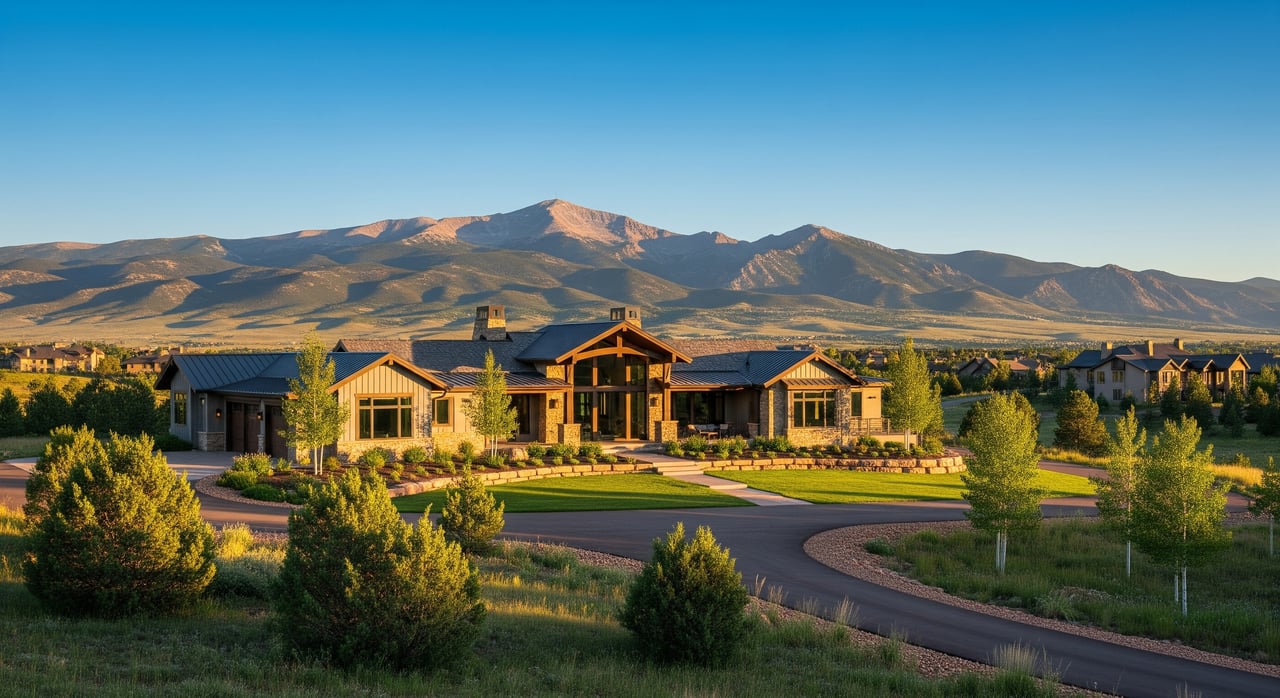
In Monument, views can be a major value driver. The terrain creates a patchwork of exposures, so two nearby homes can have very different outlooks.
How much do views add? Market studies show desirable views often command a premium, but the size varies. In Monument, rolling topography means many lots offer partial views, while true panoramic or protected vistas are rarer. Appraisers typically compare recent sales of similar homes with and without views and adjust for lot size, condition, and amenities.
Use this quick checklist when you evaluate a view:
If you want to quantify a premium, compare price per square foot for recent sales flagged with view terms within the same micro-market. Elevation and lot position matter, so keep your comp set tight.
Proximity to I‑25 is a double-edged factor. Quick access draws commuters to Colorado Springs and north toward Denver, widening the buyer pool. At the same time, the closest properties can face noise, fumes, and visual impacts, which some buyers discount.
A practical way to analyze this is by distance bands. Homes within a short walk or a few blocks of the interstate may trade at lower per-square-foot pricing than similar homes a bit farther away. Properties between roughly a quarter mile and a mile often balance access with quieter streets, while those beyond a mile lean more residential but add drive time.
USAFA proximity brings steady demand and turnover. Military personnel and affiliated civilian employees need housing within a driveable commute. That creates consistent activity, especially for 3- or 4-bedroom homes along efficient I‑25 routes. Seasonal PCS cycles can influence when homes list and how quickly they move.
These two forces often interact. Micro-markets with good I‑25 access and reasonable USAFA commutes tend to attract both civilian and military buyers. That combination can support stable resale dynamics, provided the property does not sit directly next to high-traffic corridors.
Several factors shape pricing within Monument’s micro-markets:
If you’re deciding between Old Town, Jackson Creek, an acreage parcel, or a view home, bring data to the table. The goal is to compare like-for-like homes within the same micro-market and then adjust for lot, view, and proximity factors.
Here’s how we help you build a clear picture:
When you are ready to explore, talk through your goals with us and we will tailor the search and pricing strategy to your situation. To start a conversation or set up a focused tour, reach out to Gary Kirkpatrick.
Stay up to date on the latest real estate trends.
Gary and his team focus on his commitment to providing their clients with first class, 5 star service, before, during and after the transaction.
Please feel free to reach out to us anytime if you have any questions regarding real estate or homeownership.
KIRKPATRICK ASSOCIATES, LLC
Broker Associate / REALTOR®
(719) 982-2800
Broker Associate / REALTOR®
(779) 245-2964
Operations Manager
(719) 822-4171
1915 Democracy Point
Colorado Springs, CO 80908