

January 1, 2026
Stuck choosing between Northgate and Briargate for your next move? You’re not alone. Both sit on Colorado Springs’ north side and look similar at first glance, but small differences can change your daily routine, commute, and long-term costs. In this guide, you’ll compare commute routes, amenities, housing stock, and ownership costs, then use a simple decision framework to zero in on the best fit. Let’s dive in.
Briargate is often viewed as a large, established master-planned area with a strong mix of parks, trails, and regional shopping. You’ll find a variety of subdivisions, consistent neighborhood design, and commercial hubs that make daily errands straightforward. Retail, dining, and services are typically concentrated along major arterials.
Northgate covers several neighborhoods near the city’s northern edge. Depending on the exact subdivision, you may see newer build-outs, smaller shopping centers, and a quieter residential feel. Proximity to the U.S. Air Force Academy and I‑25 can be a meaningful advantage for certain commutes.
I‑25 is the backbone of north-side commuting. Access points, interchange design, and nearby choke points play a big role in your day-to-day drive.
Both areas feed into I‑25, but your starting point matters. From many parts of Northgate, you may have slightly more direct access to northern interchanges, which can help if you often travel north along the corridor. In Briargate, cross-town arterials like Briargate Parkway, Research Parkway, Woodmen Road, and Union Boulevard carry heavy peak-hour traffic to and from I‑25. Expect slowdowns near major shopping nodes and interchange ramps during rush hour.
For USAFA and nearby Northgate/Powers employment, certain Northgate pockets place you closer to gates and job sites. If you commute to downtown Colorado Springs, both areas rely on I‑25 or major arterials. For jobs near Powers Boulevard and Research Parkway, parts of Briargate offer a direct east-west connection, but congestion can build near retail centers at peak times.
Mountain Metropolitan Transit serves the city, but routes and frequency vary by neighborhood. If you’re transit-flexible, compare route maps and schedules for each address you’re considering. Both areas have multi-use trails and some bike lanes, with segments connecting to larger trail networks. When possible, identify park-and-ride options and explore express routes that align with your work schedule.
Briargate’s retail concentration stands out, with regional shopping like The Promenade at Briargate and other commercial centers that cluster grocery, dining, and services. This pattern can reduce the number of stops you make and may improve day-to-day convenience. Northgate’s commercial footprint varies by subdivision, with smaller centers serving local needs and quick freeway access for regional errands.
Both areas offer access to community parks and trail networks. Briargate’s master-planned communities often include a strong set of neighborhood parks, playgrounds, and sports fields. In Northgate, you’ll find local parks and trail connections that support walking, running, and cycling. Visit during evening and weekend hours to see how residents use these spaces and to gauge noise, lighting, and parking.
School assignments depend on exact addresses and district boundaries. Compare attendance zones and available programming for each property you consider. Many families also look at after-school activities, community centers, and youth sports. These can vary by subdivision and district, so build your shortlist with specific addresses in mind.
Walkability is location-specific. Briargate’s retail nodes can boost walkability around shopping corridors, while quieter residential streets may feel more car-dependent. Northgate neighborhoods can offer calm streets and trail access with fewer large retail centers within a short walk. For both areas, assess the exact block-by-block experience during the times you would actually be out.
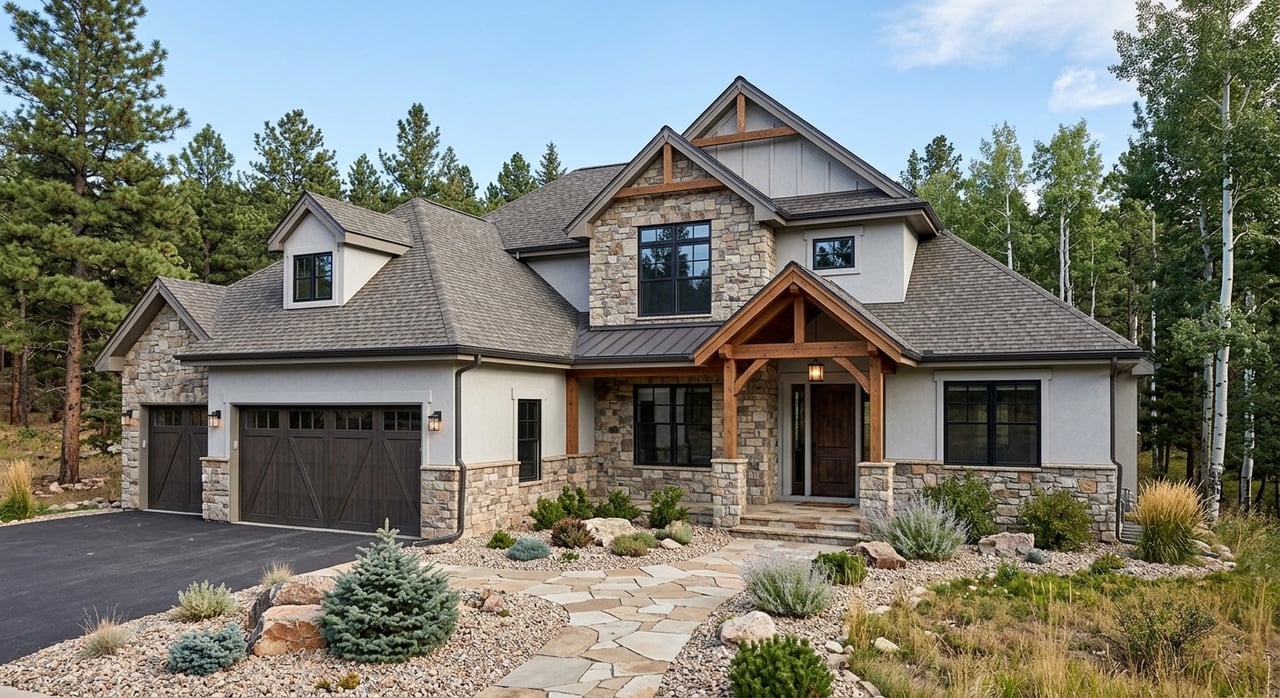
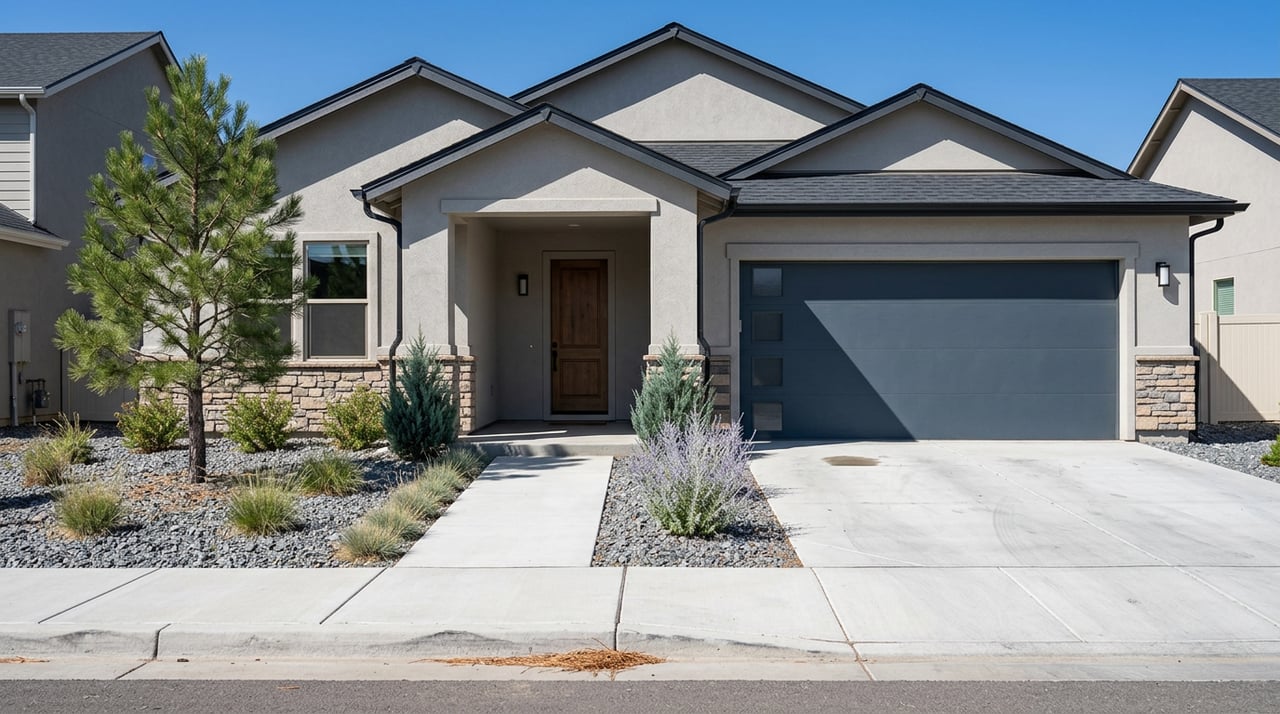
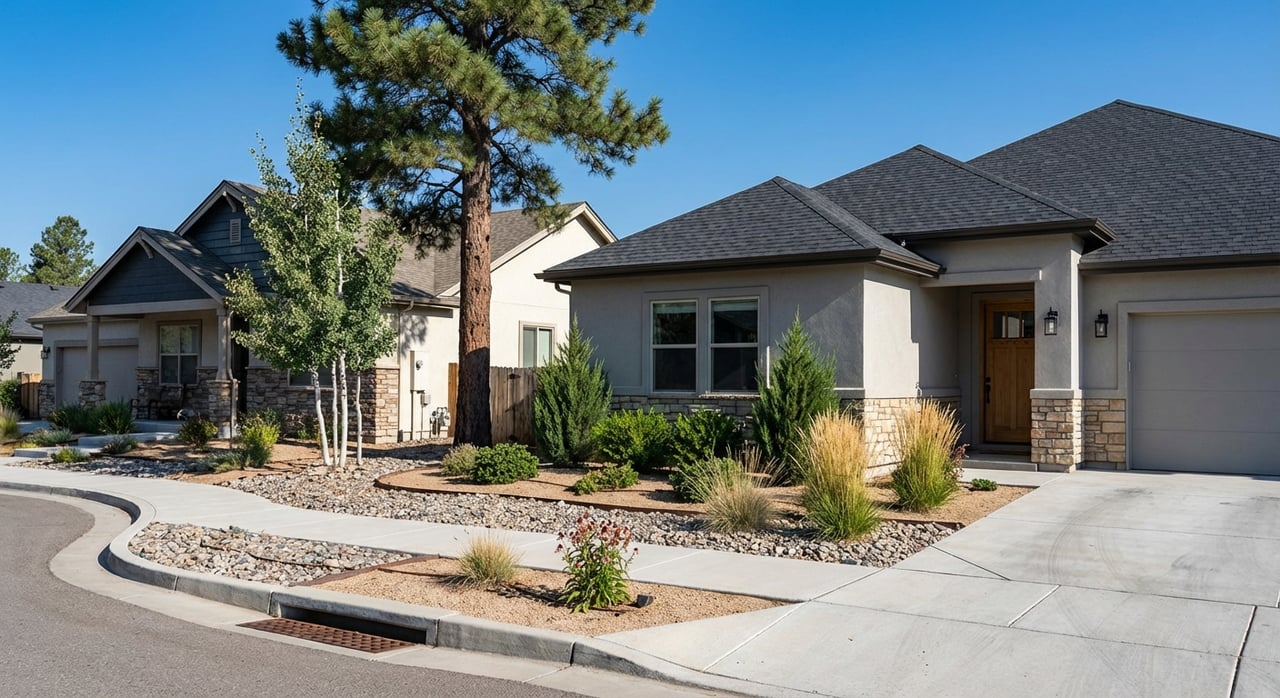
Briargate is widely recognized for development that ramped up in the late 20th and early 21st centuries. You’ll see a large share of single-family homes with two-car garages, plus a mix of townhomes and some multifamily near commercial corridors. Architectural styles lean suburban contemporary and traditional. Lot sizes, HOA rules, and design guidelines can vary by subdivision.
Northgate offers a mix that depends on your exact boundaries. You may find newer subdivisions, infill pockets, and a range of home ages and styles. To understand age and construction patterns, look at parcel records and year-built data for the streets you’re targeting. Review recent listings to compare floor plans, lot sizes, and community covenants.
Property taxes in El Paso County are based on assessed value and local mill levies. These can vary by city services, schools, and special districts. Two similar homes in different subdivisions may have different tax bills. Pull recent assessor statements for any property you’re serious about so you see the full picture.
HOAs are common in master-planned areas and in many townhome or condo communities. Fees can cover common area maintenance, snow removal, sometimes exterior maintenance or amenities. Review HOA documents, budgets, and reserve studies where available. If amenities are robust, fees may be higher but can offset certain maintenance costs.
Most of the city is served by Colorado Springs Utilities for electric, water, sewer, and often natural gas. Energy costs vary with home age, insulation, window quality, and HVAC systems. Ask for a recent 12-month utility history when possible. Trash, recycling, and stormwater fees can differ by provider and location.
Homeowners insurance depends on replacement cost, construction type, age, and location. If a property is closer to wildfire or specific flood risk, premiums and required coverage may be higher. Review hazard maps and consult insurance agents during your inspection window so you can budget accurately.
Older homes might need near-term work such as roofs, HVAC, or window upgrades. Newer builds may come with builder warranties but sometimes have higher HOA obligations. During showings, note major systems’ age and condition and factor that into your offer strategy.
Use this checklist to map your priorities to each area’s strengths and tradeoffs.
Choosing between two strong options is easier with the right data and a clear plan. Our team pairs neighborhood-level market knowledge with design and remodeling insight to help you see long-term value. We set up timed drive tests, pull market snapshots, review HOA budgets, and assess a home’s systems so you can budget for utilities, insurance, and maintenance with confidence.
If you’re relocating or on a tight timeline, we coordinate video tours, vendor bids, and staging or improvement plans to make a smart offer now and support resale value later. Whether you lean Briargate for convenience or Northgate for commute and quieter streets, we’ll help you compare real homes on real streets so you feel confident on closing day.
Ready to match your commute and lifestyle to the right neighborhood? Reach out to Gary Kirkpatrick for a clear, step-by-step plan.
Stay up to date on the latest real estate trends.



Gary and his team focus on his commitment to providing their clients with first class, 5 star service, before, during and after the transaction.
Please feel free to reach out to us anytime if you have any questions regarding real estate or homeownership.

KIRKPATRICK ASSOCIATES, LLC
Broker Associate / REALTOR®
(719) 982-2800
Broker Associate / REALTOR®
(779) 245-2964
Operations Manager
(719) 822-4171
1915 Democracy Point
Colorado Springs, CO 80908